

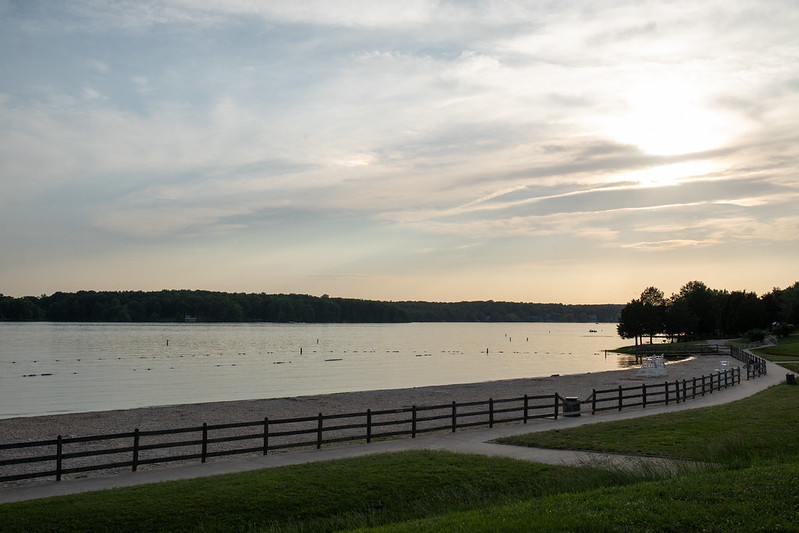
The Virginia Department of Health (VDH) has lifted the harmful algae bloom (HAB) advisory for Lake Anna due to the end of the recreational season. HABs have affected various branches of Lake Anna since June, with advisories expanded in July to include additional areas. Recent samples from mid-October showed acceptable bacteria levels, meeting the criteria to lift the advisory, despite earlier September samples showing unsafe levels.
The Virginia Harmful Algal Bloom Task Force, which includes VDH and other state agencies, has suspended response sampling for the season. Although HABs may persist in some areas, the public is advised to avoid discolored or scummy water as it could contain toxins. Depending on weather conditions, the Task Force plans to resume monitoring in May 2025.
Press release: Effective immediately, the Virginia Department of Health (VDH) is lifting the harmful algae bloom (HAB) advisory for Lake Anna due to the end of the recreational season. The Upper North Anna Branches has experienced a HAB since June. In July, the advisory was extended to include the Middle North Anna Branch and the Upper and Middle Pamunkey Branches and Terry’s Run.
Results of samples collected September 18 and October 15 for Upper and Middle Pamunkey Branch indicated potentially toxic cyanobacteria were at acceptable levels allowing the advisory to be lifted.To lift advisories, VDH needs two acceptable samples collected at least 10 days apart. While the October 15 sample results from the Upper and Middle Pamunkey branches and Terry’s Run were at acceptable levels, the September 18 sample results were at unsafe levels of cyanobacteria. No additional sampling is planned.
The Virginia Harmful Algal Bloom Task Force suspends response sampling and any active HAB advisories at the end of October each year when the recreational (swimming) season concludes and temperatures begin cooling in natural waters.
Algae blooms, which are still present in November in areas of a waterbody, may persist into late fall and possibly winter months. The public should avoid discolored water or scums that are green or bluish-green because they are more likely to contain toxins.
The Virginia Harmful Algal Bloom Task Force, which includes the VDH, the Virginia Department of Environmental Quality, and the Old Dominion University Phytoplankton Laboratory, will resume response efforts in May 2025, weather permitting.For more information visit www.SwimHealthyVA.com.
